
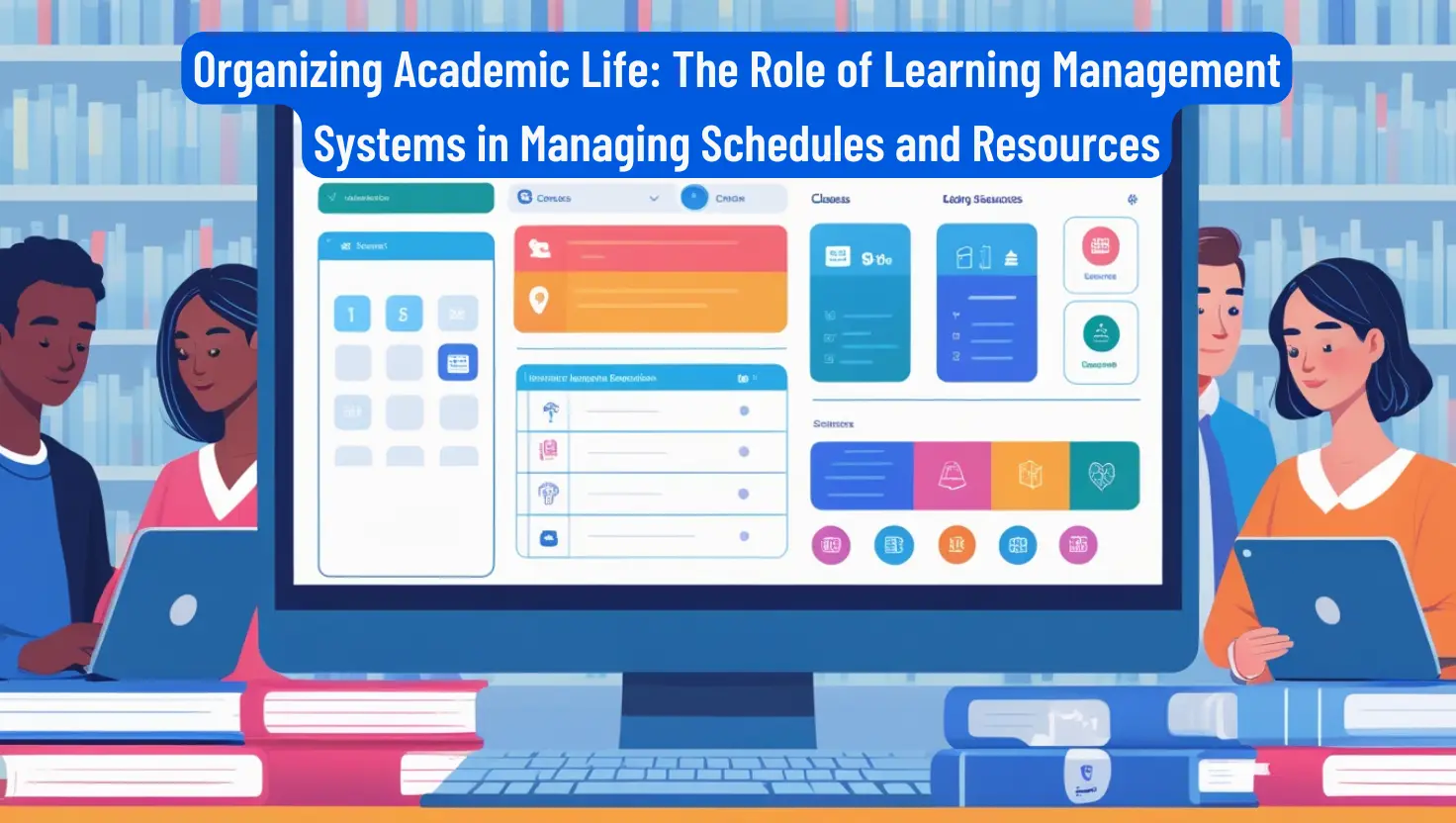
In today’s academic world, staying organised can be the difference between having the best reputation and not being recognised by students as a reputable institution.
In this day and age, students choose an academic institution not just for its quality of teaching but also in the way that institution presents its teaching and its lessons and its learning.
In a world like this, it is not just enough to have the best teachers or even the best quality of education and educational content because what’s is more important is to have that learning experience be managed in the most efficient way possible.
What do you do in an industry like this when it is not only important to deliver a good quality education but the process of delivery becomes much more important?
The natural solution to this problem is to utilise a Learning Management System (LMS). This is exactly what we are going to do today, because we are going to tell you everything you need to know about Learning Management Systems, so that you too can implement it at your institution.
Let’s start with that.
What is a Learning Management System (LMS)?
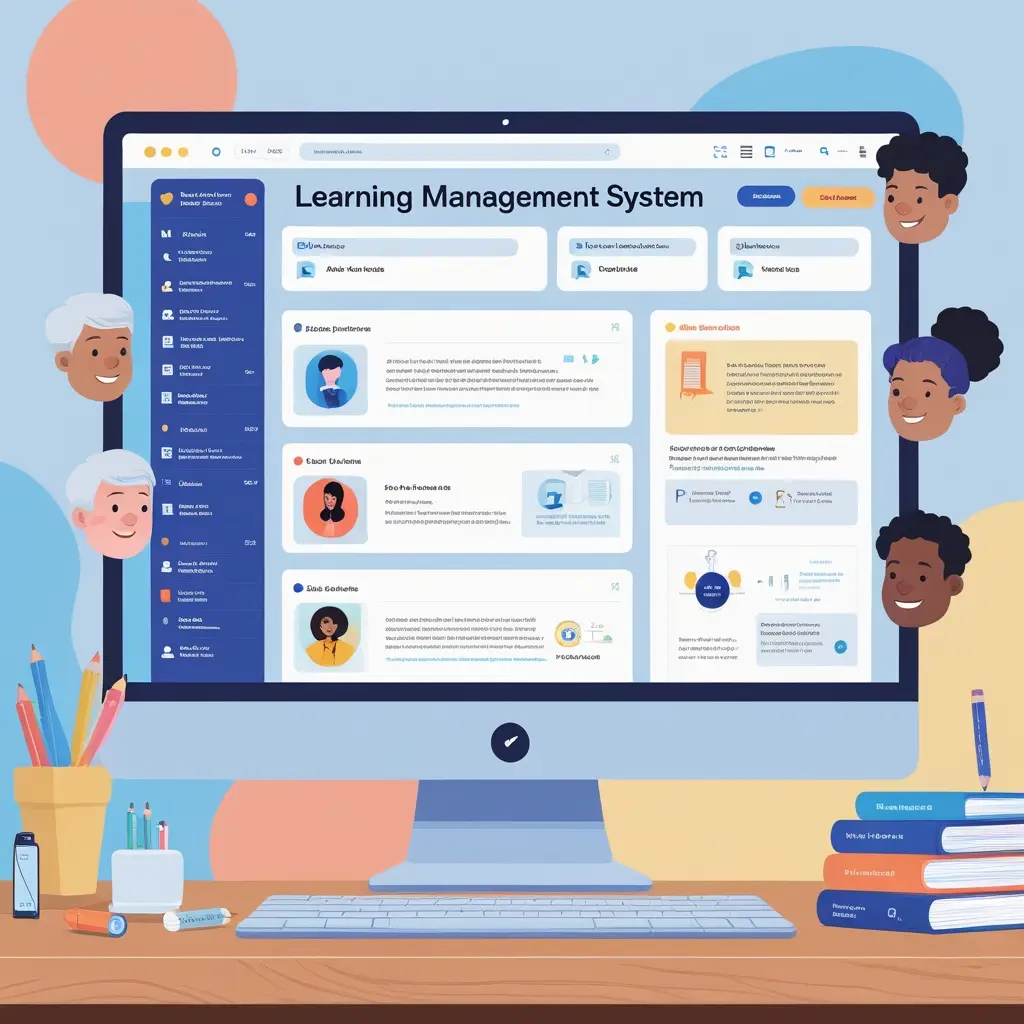
Learning Management Systems come in all shapes and sizes and can have a lot of functions but broadly speaking, they are basically a digital platform that has been specifically designed in order to help with the delivery, tracking and management of educational content.
These Learning Management Systems are primarily designed for schools and colleges and universities and are utilised by everyone from students to teachers and even the institution administration in order for the distribution of educational content.
They are not simply about uploading lecture slides or submitting assignments because they have a lot of potential with the primary goal of providing structured solutions to organise academic life.
Why Organisation Matters in Academia

The reason why organising academic life and general organisation in academics is quite important is because disorganisation is the biggest cause of academic so-called barriers to success.
When you hear about premium institutions, it’s not just because they are teaching the best educational content, it is because they are delivering that content with the help of very competent support systems, such as a very comprehensive LMS, to deliver that educational content to the right parties at the right time.
Similarly, when you hear about an institution that is not really the best, it is mostly because of having a disorganised educational structure with courses overlapping each other and with educators not being able to handle student communication, along with grading and lecture preparation all at the same time because of this disorganisation.
What ends up happening is that students tend to start lacking in performance because they are simply not getting access to the educational content at the right time in the right way.
This is How LMS Platforms Can Help Students
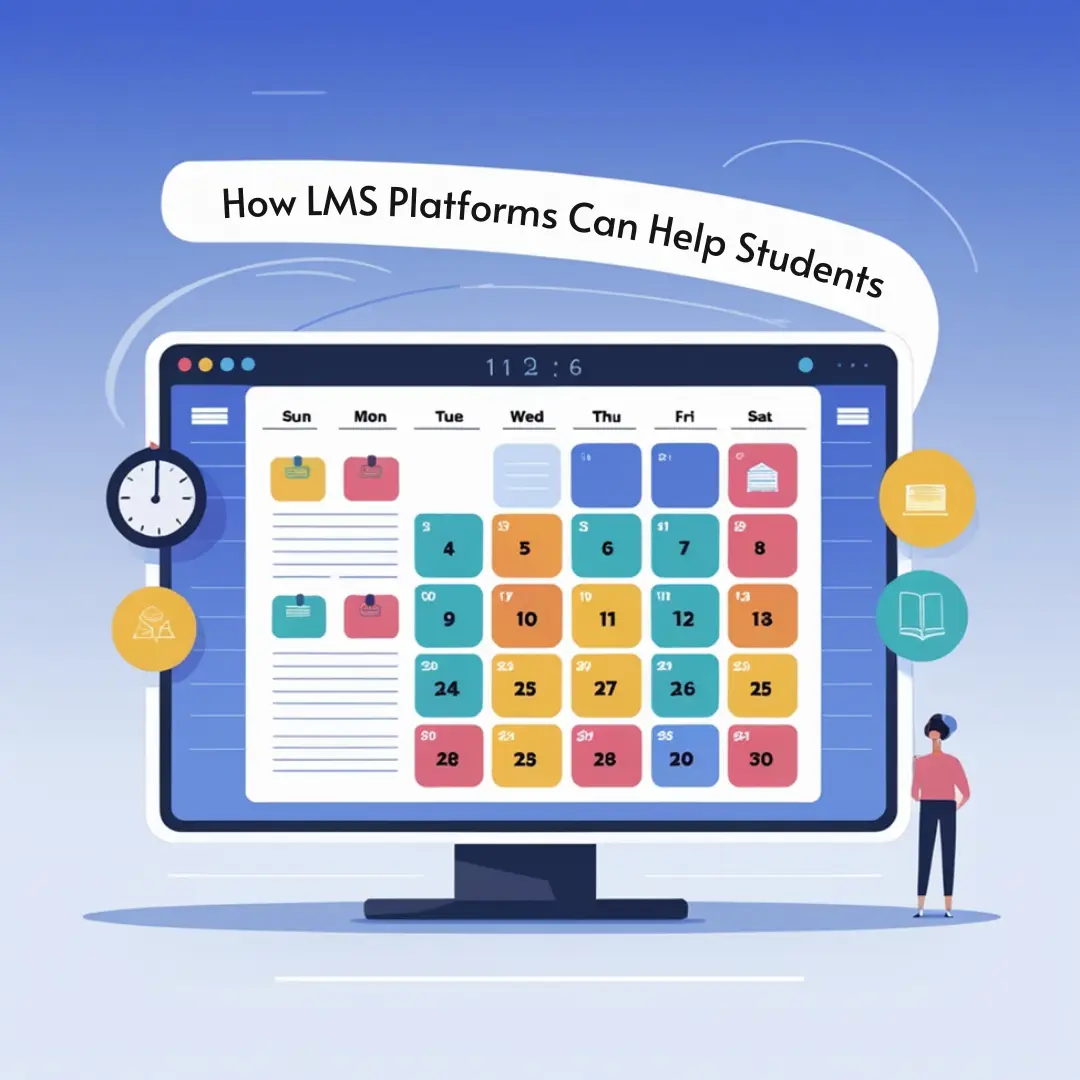
Centralised Calendar and Deadlines
One of the best ways in which an LMS helps manage schedules is with the help of a centralised calendar and deadlines that can be seen on that calendar.
Students can utilise a system like this in order to see their entire academic workload all in a single place, from assignment due dates to exam schedule and class sessions and even project milestones.
This helps out students a lot and ensures that they can focus on their academics instead of spending a lot of time organising different calendars and schedules.
Timetable Integration
Maintaining synchronisation with an institutional timetable can be quite difficult for students if done manually.
Having an LMS means that their school or college timelines get directly synchronised with the system so that they can view their class timings and lecture timings as well as project timings and everything else in a single portal.
Progress Tracking
An LMS is not just a glorified way to view the time table and calendar because it does something much more important; it helps students track their academic progress, as the LMS dashboard can also show exam results and project completion modules and pending activities, all in a single place.
This kind of progress tracking is done in real time so that students, as well as their instructors, can view the performance of each student in the most efficient way possible.
Central Repository of Learning Materials
One of the crucial advantages of having Learning Management Systems (LMS) is that it also acts as a central repository for all learning materials and helps out students access everything from emails to every other kind of learning materials all in a single place.
Learning Management Systems (LMS) have the ability to store everything from lecture notes to slides and even recorded class sessions and reading lists and everything else you can think of, from supplemental resources as well like videos and podcasts and even simulations, etc.
Collaboration Tools
One underrated ability a LMS can provide is support for group projects and this is because any reputable Learning Management System (LMS) will come with chat rooms as well as forums and other collaborative educational spaces where students can interact with each other and even interact with teachers. This can then be integrated with external tools such as Google Docs or Microsoft Teams and much more.
Efficient Submission and Feedback
LMSs can allow students to submit assignments digitally and students can even take part in any kind of assessment tests with the help of a Learning Management System (LMS).
The best part about this is that instructors and teachers can grade these submissions right within this platform itself and provide feedback within the system. This just eliminates the need for printing exam results and this reduces delays and improves academic productivity.
Personalised Learning Paths
One of the most powerful features within Learning Management Systems (LMS) is the fact that they can even be utilised for personalised learning.
This is because when the teacher has access to the performance of the student, they can fine-tune the kind of content the student is receiving based on the performance of the student. For instance, the teacher can view the LMS system and decide to give additional homework on a particular topic based on their grades.
We hope you now understand the kind of benefits a Learning Management System (LMS) can have on students and educators in the form of time efficiency and better communication, as well as accessibility and accountability and much more.
If you are associated with an educational institution and you wish to implement a system like this, we are here for you.
We present you Homely School by Think To Share. Homely School is the most comprehensive School Management System in the entire EdTech industry which comes with a very powerful Learning Management System (LMS) baked in to help out students and teachers alike.
Homely School is the result of the collaboration between some of the finest educators in the industry, coupled with our decades-old tech prowess neatly packed into a powerful solution for educational institutions of all shapes and sizes.
We welcome you to visit our website for more details.